

Bike, Skate, Snow, Moto & More — Without Killing Your Style
Your helmet is doing a big job: protecting your brain.
But that doesn’t mean it has to look boring while doing it 😎🪖
Whether you’re biking to work, skating the park, shredding powder, or ripping a motorcycle down the highway, the right helmet depends on how and where you ride.
Here’s a simple, no-nonsense guide to choosing the best helmet for your activity — plus how to make it look like you.
Why Choosing the Right Helmet Matters
Not all helmets are created equal. Each activity has different risks, speeds, and impact angles, so helmets are designed with specific safety standards in mind.
The right helmet should:
• Protect against your sport’s most common impacts
• Fit your head properly
• Stay comfortable for long rides
• Make you want to wear it
Because the safest helmet is the one you actually use.
🚴 Bike Helmets (Road, Commuting, Gravel, MTB)
Best for: Cycling, commuting, fitness riding, trail riding
Look for: CPSC or EN1078 certification
Bike helmets are lightweight, well-ventilated, and designed for forward falls. Road helmets prioritize airflow, while mountain bike helmets offer more rear coverage.
Pro tips:
• Commuters: Look for built-in lights or reflective elements
• MTB riders: Consider visors and extra coverage
• Hot riders: Ventilation is king
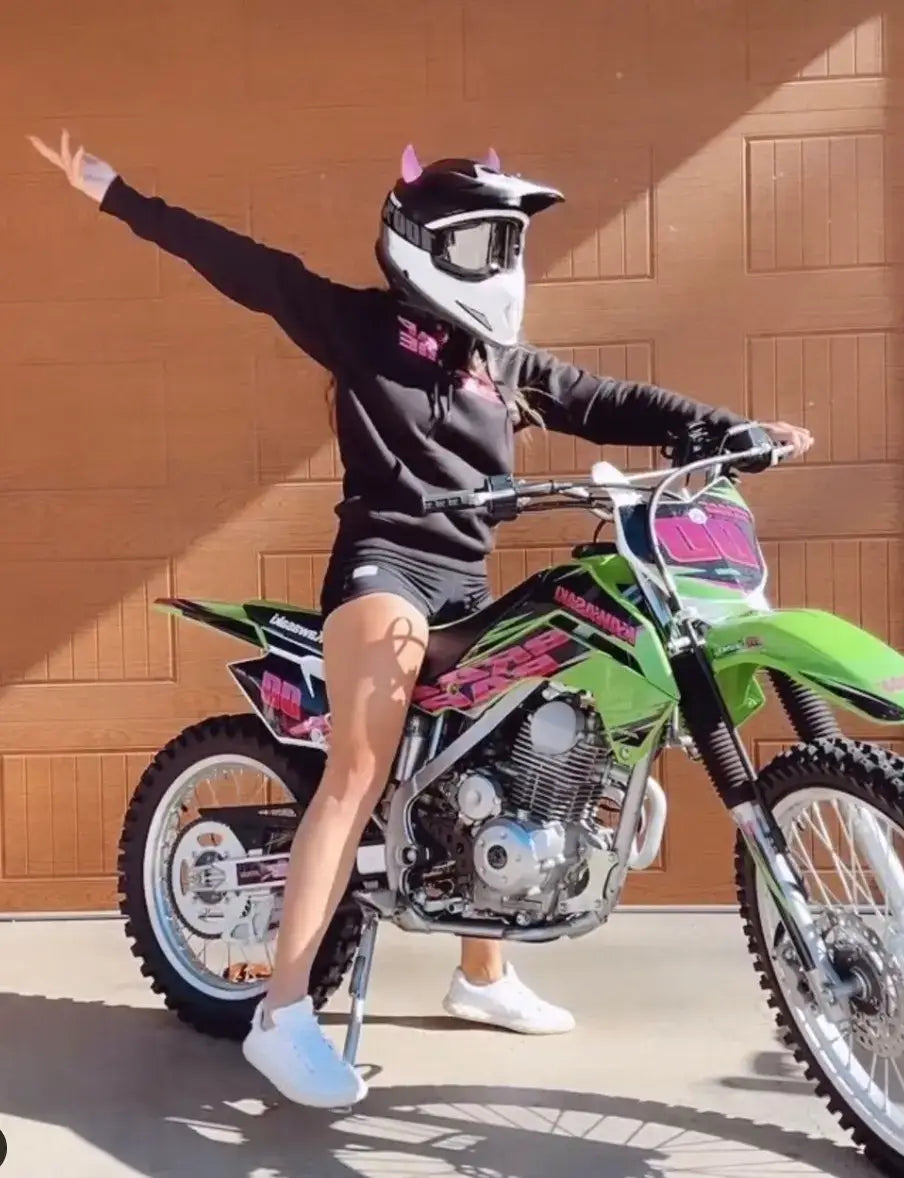
Make it fun: Add cat ears, horns, or a unicorn flair — because traffic notices style.
🛹 Skate Helmets
Best for: Skateboarding, longboarding, roller skating
Look for: ASTM F1492 certification
Skate helmets are rounder, tougher, and built for multiple low-impact hits — perfect for parks and street riding.
Why skaters love them:
• Durable shells
• Lower profile
• Better for backward falls
Style upgrade: Slap on some Helmet Flair and turn that classic bucket into a personality statement.
❄️ Snow Helmets (Ski & Snowboard)
Best for: Skiing, snowboarding
Look for: ASTM F2040 or CE EN1077
Snow helmets are insulated, ear-pad friendly, and often audio-compatible. They’re built for cold temps and hard, icy impacts.
Key features to consider:
• Adjustable vents
• Goggle compatibility
• Removable liners
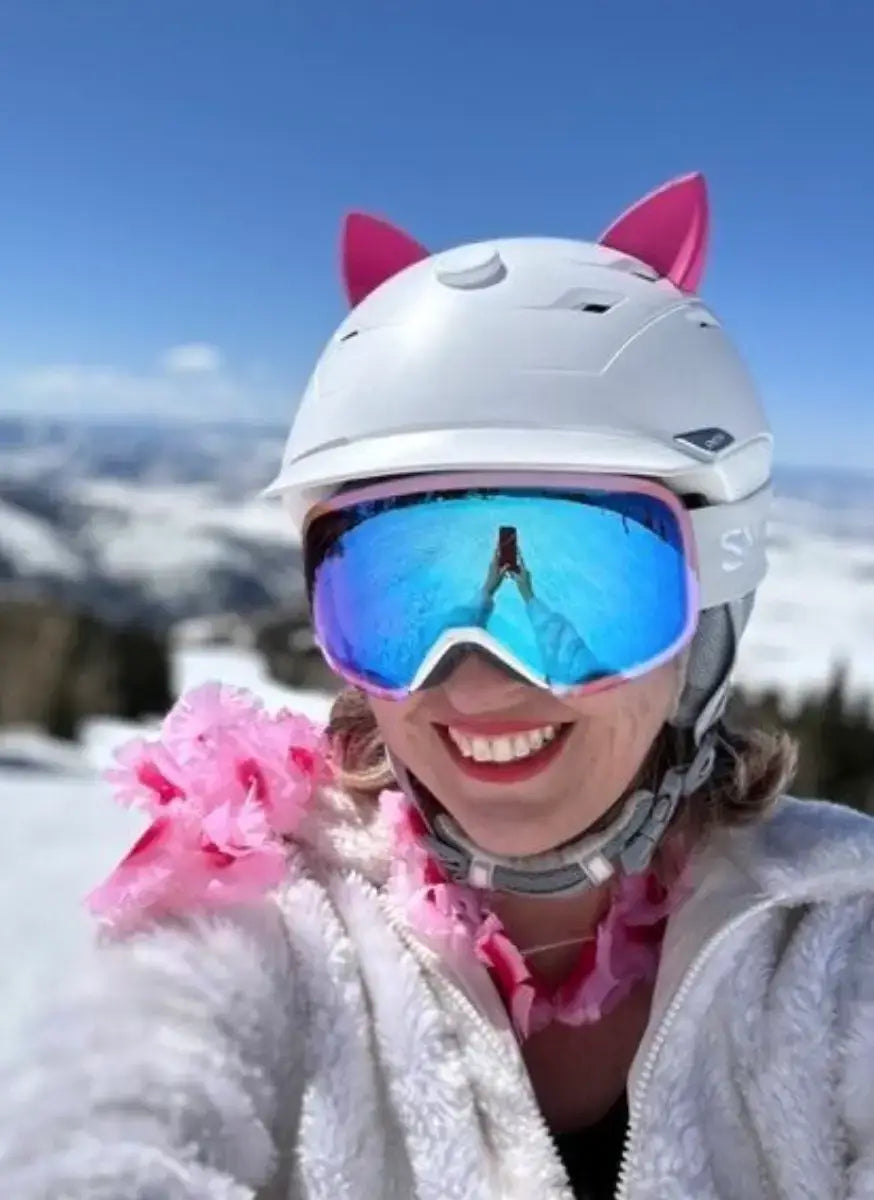
Après-ski vibes: Who says powder days can’t include unicorn horns?
🏍️ Motorcycle Helmets
Best for: Street riding, touring, dirt, track
Look for: DOT, ECE 22.06, or SNELL certification
Moto helmets come in several styles:
• Full-face: Maximum protection
• Modular: Flip-up convenience
• Open-face: More airflow, less coverage
• Off-road: Dirt-focused protection
Choose based on:
• Riding speed
• Terrain
• Comfort
• Noise level
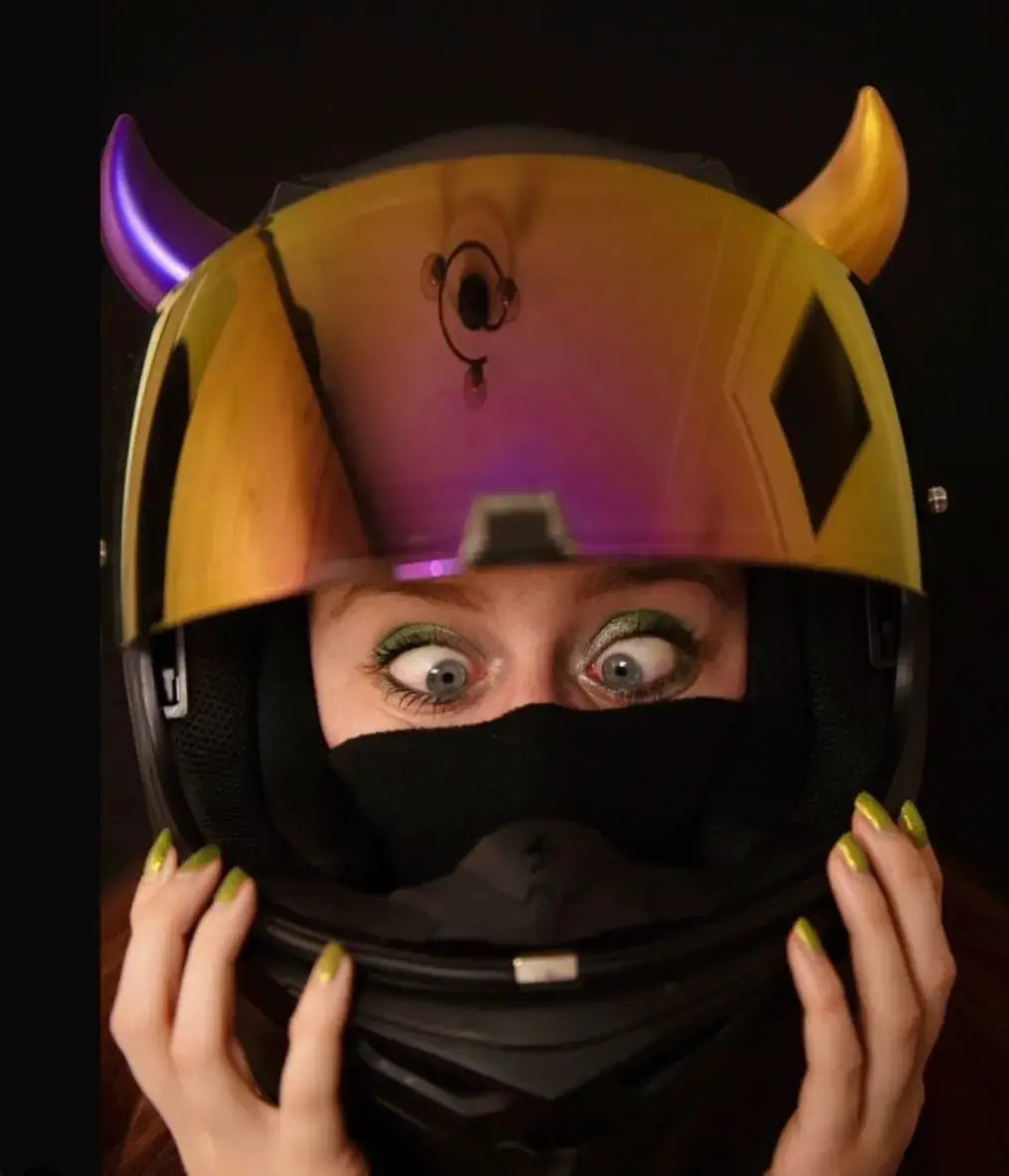
Visibility bonus: Helmet Flair helps you stand out — and that’s a safety feature.
🛴 Micromobility Helmets (E-Scooters, OneWheels, EUCs)
If it goes faster than your feet, wear a helmet.
Best options:
• Certified bike helmets for short trips
• Skate or moto helmets for higher speeds
Look for good coverage, comfort, and secure fit. These rides fall fast and unpredictably.
How a Helmet Should Fit (Any Activity)
No matter what you ride, fit matters more than price.
Your helmet should:
• Sit level on your head
• Not rock forward or back
• Feel snug, not painful
• Keep straps forming a “V” under your ears
If it moves when you shake your head — it’s not the one.
Style Matters (Yes, Really)
We believe helmets should protect your brain and express your personality.
When riders feel confident and stylish, they’re more likely to wear their helmets — and that saves lives.
That’s why Helmet Flair exists:
• Magnetic swap-on designs
• Fun characters and shapes
• Seasonal, themed, and bold styles
• Zero compromise on safety
Be yourself. In a helmet.
Quick Helmet Buying Checklist
Before you buy, ask yourself:
✅ Is it certified for my activity?
✅ Does it fit correctly?
✅ Is it comfortable for long rides?
✅ Will I actually want to wear it?
If you said yes to all four — you’re good to go.
Final Thought
Your helmet doesn’t have to look like everyone else’s.
It just has to protect your brain and make you smile.
Choose the right helmet.
Make it your own.
Ride safe.
Ride loud. 🦄🔥